
About Us
We Know What It’s Like to Build a Life Somewhere New
Your Next Place grew from our own experience of questioning where and how we wanted to live. From Belgium to Bulgaria, from autonomous living and architecture to relocation, property and building a life across borders.
Today, Samia is based in Bulgaria and is the first point of contact for people exploring their own next place. Together with Koen’s architectural expertise and a network of trusted professionals, we bring together the local knowledge, practical support and specialist expertise you may need along the way.

Independent.
Local.
Practical.
People you can trust.
What We Bring to Your Next Place
Different Expertise.
One Shared Way of Looking at a Place.
Samia and Koen have been looking at places differently for years. Not simply as property, but in terms of what a place makes possible: how you live there, what it asks from you and whether it actually works for the life you want to create.
Samia brings the local perspective. Living in Bulgaria herself, she understands many of the questions that come with exploring a new country, from finding and assessing a property to figuring out who to trust and where to start. She is the first point of contact at Your Next Place, bringing together information, people and the right expertise when needed.
Koen brings the architectural perspective. As an architect with extensive experience in ecological and autonomous building, he looks beyond what a property is today. He can assess its potential, the possibilities for renovation or transformation, and the bigger questions that come with more unusual or complex properties.
And because making a life somewhere new involves more than property, we work with trusted partners in Bulgaria and beyond for specialist areas such as legal matters, administration, company formation and relocation.
You don’t need one person pretending to know everything.
You need the right people around you when you need them.
From Our Own Move
to Your Next Place
Moving to Bulgaria started with our own questions. Where do we want to live? What kind of life do we want to build? What makes sense financially, practically and personally?
Once you start exploring another country, you quickly discover that finding a property is only one piece of the puzzle. There are locations to understand, different ways of doing things, legal and administrative questions, people you need to find and decisions that are difficult to make from a distance.
We experienced that process ourselves.
And that became the starting point for Your Next Place: making it easier for others to explore Bulgaria with someone independent on the ground and access to the right expertise when they need it.
Why Bulgaria?
Bulgaria offered something we were looking for ourselves: space, possibilities and a different balance between what life costs and what it can offer.
Samia now lives near Balchik on the northern Black Sea coast, making Bulgaria not simply a market we work in, but a place we experience every day.
What We Experienced
Because moving somewhere new rarely comes with one neat question.
You may start with a house and end up needing an architect. You may want to relocate and discover you need help with residency or administration. You may be an entrepreneur wondering how setting up a Bulgarian company works.
Your Next Place brings those pieces together, with Samia as your first point of contact and trusted professionals stepping in where specialist expertise is needed.
What Connects Us
We’ve Never Looked at a Place as
Just a Place
For both of us, the way and place we live has always been connected to a bigger question: how do we actually want to live?
Koen has explored that question through architecture, ecological building and autonomous living. Samia has approached it through entrepreneurship, personal freedom and the choices that shape how we organise our lives.
That curiosity has taken us through different projects, different ideas and eventually different countries. We have built, experimented, changed direction and learned that what looks right on paper does not always feel right in real life.
Bulgaria became another chapter in that story.
And Your Next Place grew naturally from it: from our shared belief that choosing where you live is about much more than finding four walls and a roof. It is about creating a life that works for you.
What Matters to Us
A Different Place Should Also Create Different Possibilities
Freedom of Choice
We believe where you live has a real impact on how you can shape your life, financially, practically and personally.
Independence
We value being able to look at a situation freely, ask questions and form our own opinion without having to sell a particular property or solution.
Seeing Potential
A place is more than what it looks like today. We naturally look at what could be changed, improved or approached differently.
Living With Intention
For us, choosing a place starts with understanding what you actually want from your life and finding an environment that supports it.
Who We Are
The People Behind
This Project
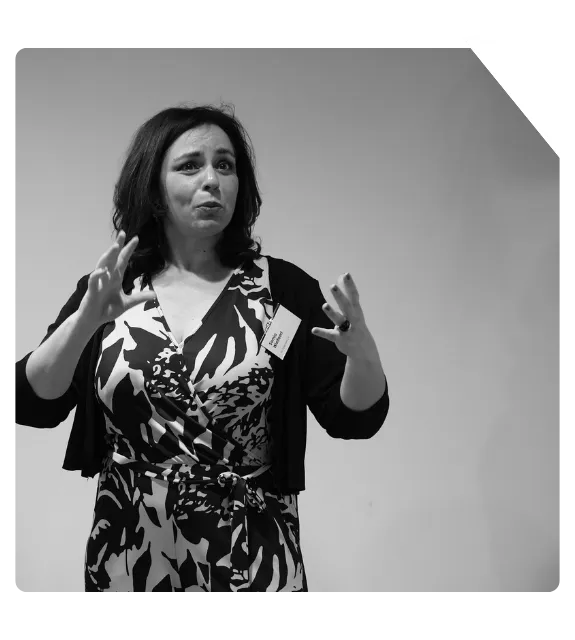
Samia Wielfaert
Co-Founder & Local Point of Contact in Bulgaria
Samia lives near Balchik on Bulgaria’s northern Black Sea coast. With a background in finance, entrepreneurship and strategic consulting, she naturally looks at the bigger picture and connects the dots. Within Your Next Place, she is the person on the ground, exploring, asking questions and bringing the right people and expertise together.
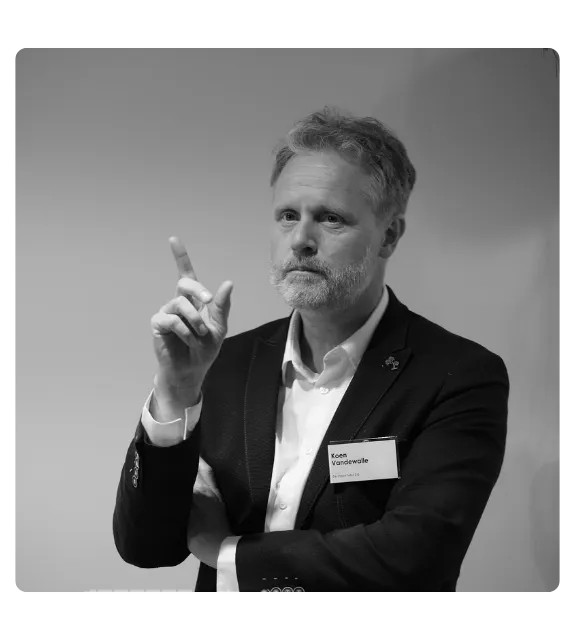
Koen Vandewalle
Co-Founder, Architect & Architectural Advisor
Koen is an architect with extensive experience in ecological building, renovation and autonomous living. Within Your Next Place, he brings an experienced architectural eye to properties and ideas, helping to see potential, explore possibilities and translate them into a clearer direction before local specialists take over where needed.
Part of Our Story
The Greenhouse: Where We Started Questioning How We Live
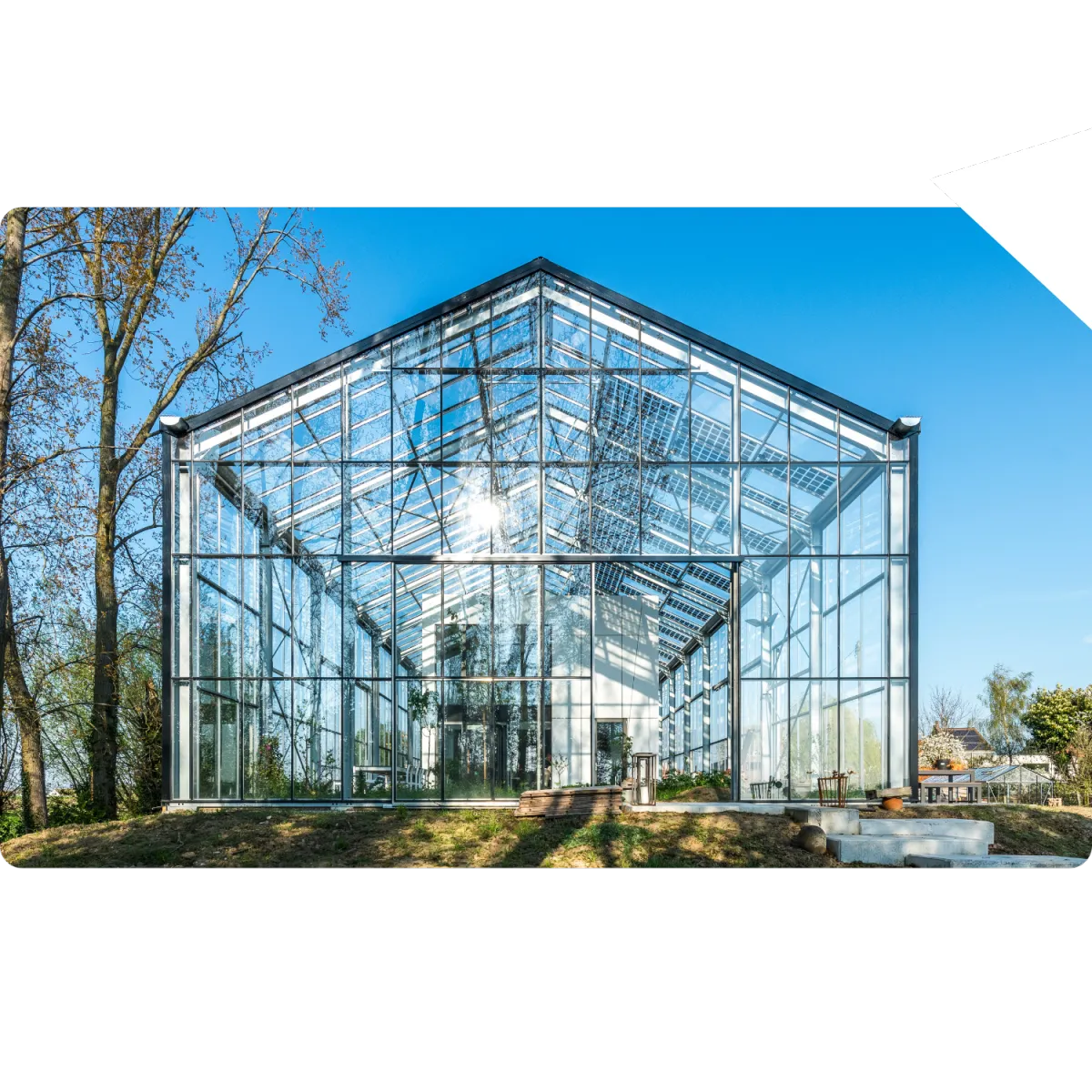
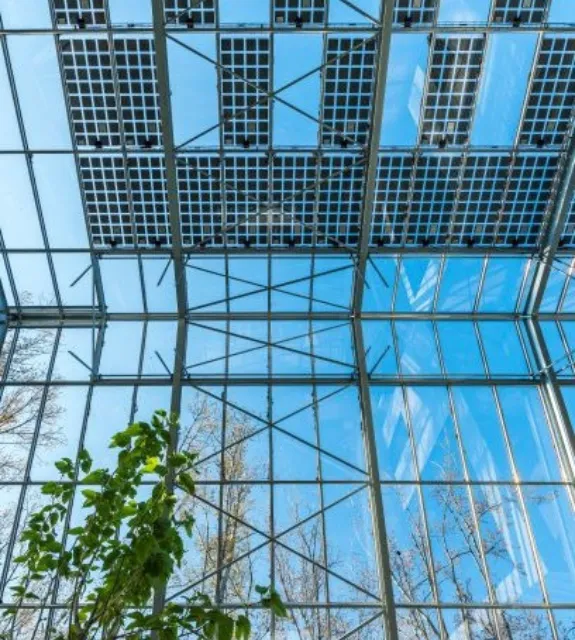
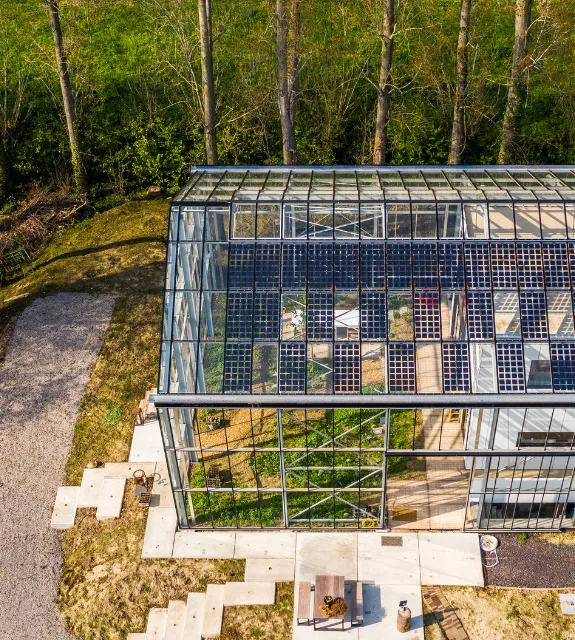
Long before Your Next Place existed, we were already exploring how the place we live can shape the way we live. The Greenhouse in Belgium was an experiment in autonomous and ecological living, designed by Koen to reduce dependence on traditional water and energy systems and work more closely with natural conditions. For us, it became more than an architectural project. It was a real-life experiment in questioning what we take for granted about housing, independence and the way we organise our lives.
The videos below tell part of that story.
About Your Next Place
Independent local support for people looking to buy, move or set up in Bulgaria.
From property and relocation to trusted local expertise, we help you find the right next step, without having to figure everything out
on your own.
Quick links
Legal
Not sure yet?
Stay in the loop
Whether you're exploring life in Bulgaria, looking for a place,
or interested in future living projects, you can leave your details here.
We’ll keep you informed about new opportunities, places and what’s developing next.
No spam. Just relevant updates when it matters.
About Your Next Place
Independent local support for people looking to buy, move or set up in Bulgaria.
From property and relocation to trusted local expertise, we help you find the right next step, without having to figure everything out on your own.
Quick links
Legal
Contact
© Your Next Place. 2026